How do you know if you're doing well as a manager?
How do you know if you're doing well as a manager?
Not "did I hit my deadlines" or "did my boss seem satisfied with me." How do you know whether you're becoming the manager you want to be? 🤔
It's often tempting to answer that question with the wrong tool.
-----------------------------------
Pulse checks and progress reviews
There's a difference between a pulse check and a progress review. 📊
Pulse checks capture how things are right now. Progress reviews measure movement toward mid- to long-term goals.
It's easy to reflect on how a single 1-on-1 went. What's hard is remembering that pulse checks don't necessarily reflect overall progress toward becoming the manager you want to be. ⚠️
-----------------------------------
A similar challenge from my coaching practice
I've had a string of extraordinary first sessions with new clients lately. Real vulnerability. Breakthroughs happening faster than I expected. Each one left me on a high. 🌟
Then we would have the second sessions.
And I would feel... flat. 😶
Not because anything went poorly. The clients were progressing. The sessions were solid. But that electric first-session feeling was gone, and I found myself wondering: "Did I do as well today?"
I had to remind myself with this useful question: "Am I measuring my performance — or my momentary feelings?" 🤨
Here's the frame that helped me zoom out.
-----------------------------------
The celebrations and the grind
Think about a restaurant on opening night. 🍽️ The energy is electric. ⚡️ The staff is sharp, the crowd is enthusiastic, the kitchen is on fire (in a good way). 👩🏻🍳 It's a milestone and an emotional peak.
And then the restaurant opens the next day, and the day after. Customers trickle in. The staff finds its rhythm. The work is less glamorous — but that disciplined hustle, day after day, is what builds something lasting. 🏗️
Managing people works the same way. So does a coaching relationship.
The first time you have a real breakthrough conversation with your direct report; the first meeting where you genuinely connect; the first time someone thanks you for seeing them — those are your grand openings and anniversary celebrations. They feel remarkable because they are remarkable. 🎉
But milestones are not the whole of it.
In between them is the daily grind of showing up, implementing, adjusting, and celebrating incremental wins. 🎆 That next surge of big, positive emotion may not come until you hit a major milestone — when someone earns a promotion, when a hard situation finally resolves, or when a project you all worked hard on turns out as planned.
💡 The work between the peaks is the work that earns the peaks.
Which brings me to the harder question: if feelings aren't the measure, what is? 🤔
-----------------------------------
Seeing the big picture
Here's something I've learned from being on both sides of a coaching relationship: coaches and clients don't always experience the same session the same way. 👥
A client might leave what felt to me like a "quiet" session — no dramatic revelations, just steady, grounded progress — feeling more capable and clear than they have in months. And I might walk away wondering if I gave them enough. 🪞
The gap is almost always an expectations problem. Without a clear picture of what success looks like for us, it's easy to let our feelings bias our assessment.
This is why a clear, intentional goal for the kind of manager you want to be matters so much — not just as an aspiration, but as a practical measuring stick. 📏
When you have that picture, you can step back from the emotional weather of any given week and ask: "Am I moving toward the manager I said I wanted to be?"
That question is far more useful than "Did today feel good?"
-----------------------------------
What this looks like in practice
Defining your goal doesn't need to be complicated — just specific enough to be useful. Not "I want to be a good manager." Something you can actually check yourself against: ✅
I am a manager who gives direct, honest feedback with warmth. I create space for my team to solve problems together, and I resist the urge to jump in too quickly. I am actively building their confidence, not just managing their output.
That statement becomes your compass. Hold a challenging week up against it and ask: "Was I moving toward this or away from it?" You can use it to recognize the quiet wins that don't feel flashy but matter enormously. 💪
🎯 Take this into your week: Write 3–5 sentences describing the manager you want to actively become. Be specific. Then, the next time something feels flat, hold it up against your description to decide what it means.
-----------------------------------
If you know a manager in their first year — someone who might be carrying more self-doubt than they show — forwarding this might be the most thoughtful thing you do for a colleague this week. No note needed. 💙
-----------------------------------
TGA Coaching update 🎉
A couple of things:
I'll be on vacation for most of June 🛫 — and I'm a genuine believer that rest isn't a reward for hard work, it's part of how we do good work. I hope you'll find your own version of that this summer, whether it's a full trip, a long weekend, or just a few days away from your inbox. Your mind and body will thank you.
I'm also thrilled to share that I'll be launching a Stress Reduction Workshop Series in August. 🎉 (See my recent blog post on the success of the 1-hour workshop.) More details are coming soon. The best way to be the first to know (and to have priority for registration) is to make sure you're subscribed to this newsletter.
If someone forwarded this to you and you'd like to join us, I'd love to have you. 👉 Subscribe here
-----------------------------------
P.S. If you've been meaning to get clear on the kind of manager you want to be, schedule a free people management assessment. 👉 Schedule your free assessment here
This is our May 20, 2026 newsletter. Sign up below to get this directly in your inbox.
We are focused on helping managers become the kind of manager people trust, respect, and want to work with.

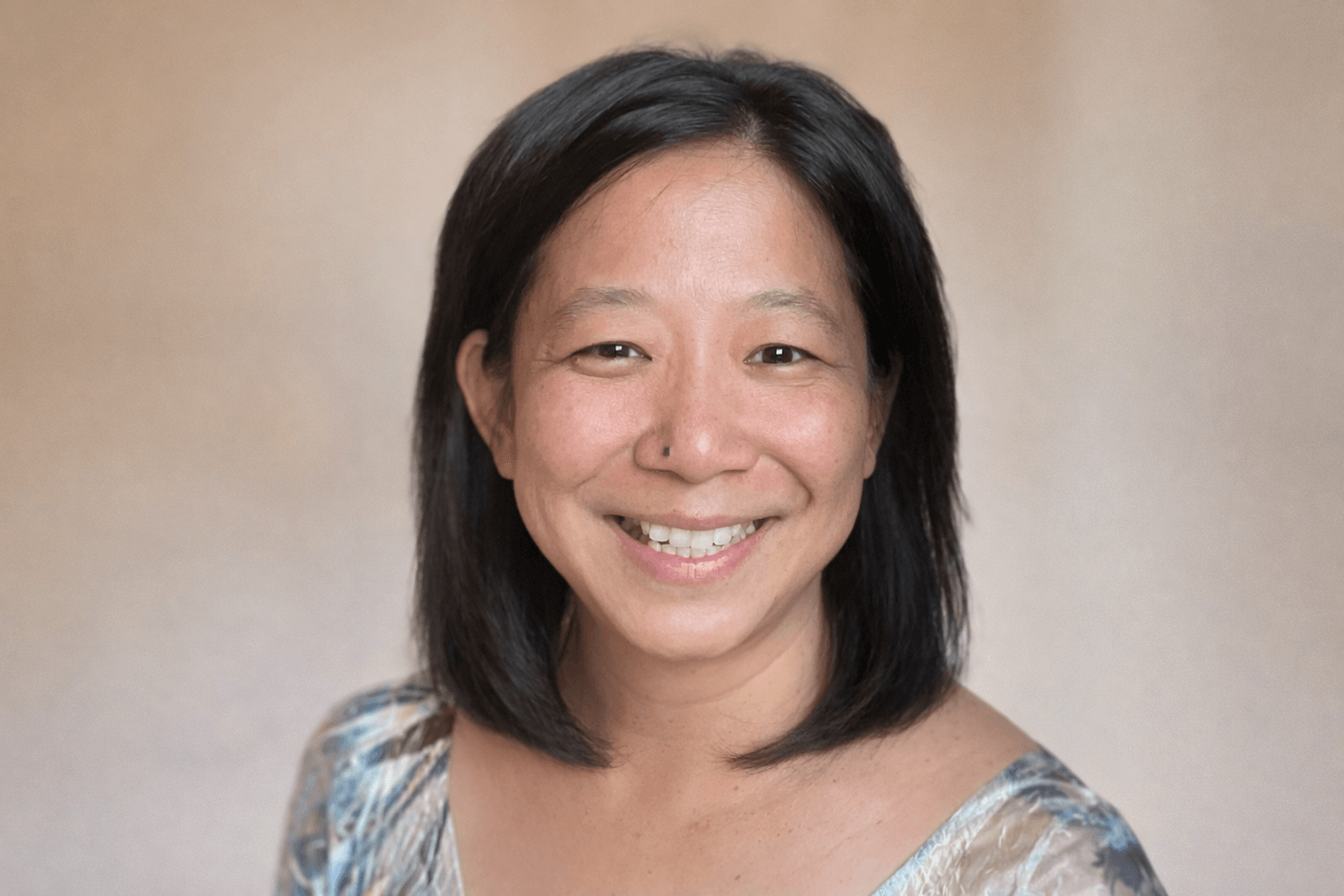
Patricia Cheng
Founder




© 2026 TGA Coaching. All rights reserved